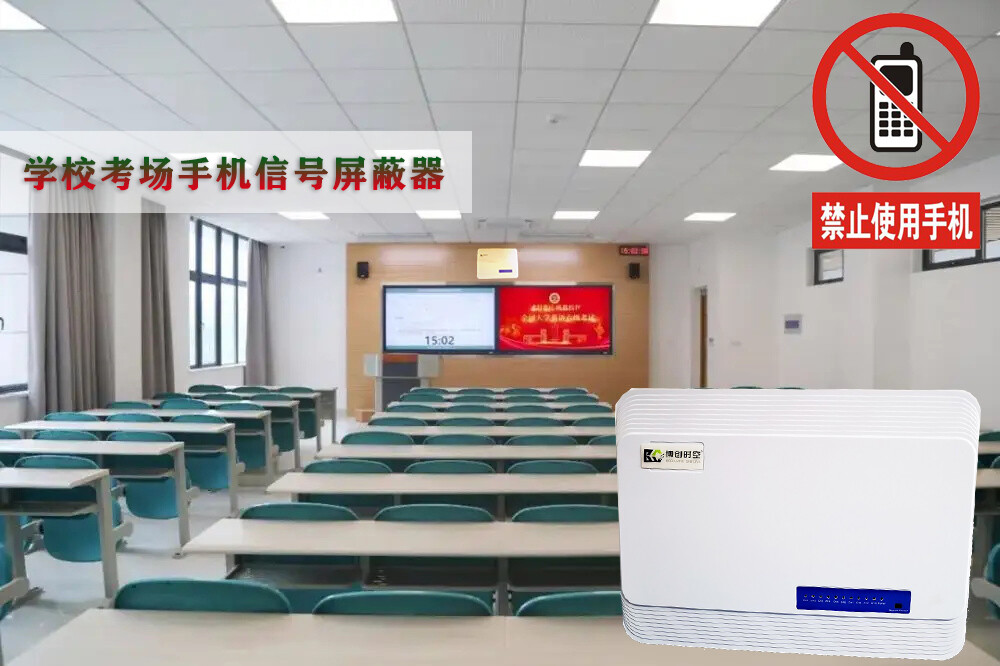
Signal Jammer Technology: 2026 Modern RF Shielding Mechanisms & Real-World Defense Applications
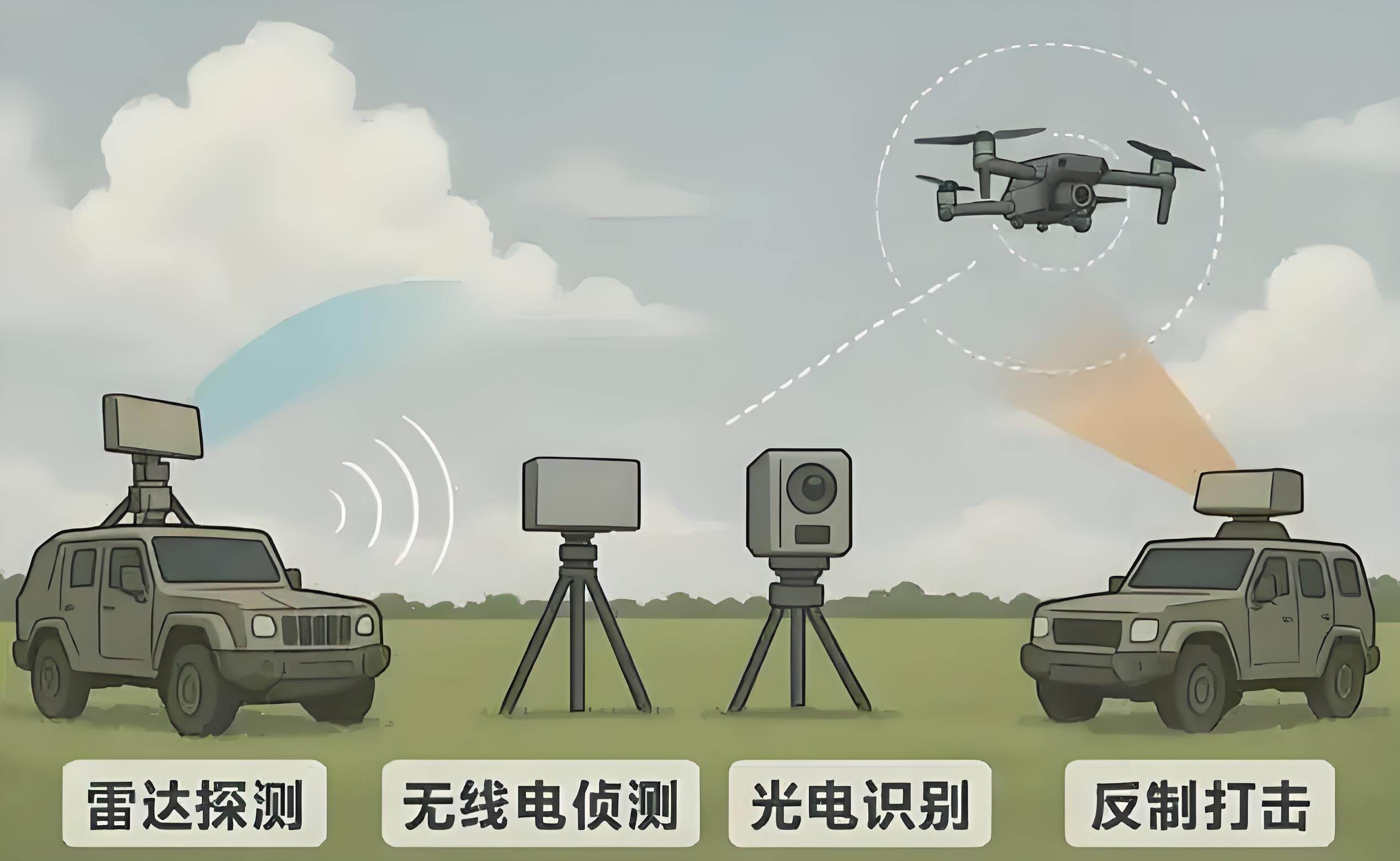
Modernsignal jammerTechnology operates by manipulating the Noise-to-Signal Ratio to create a physical-layer Denial of Service. Unlike legacy brute-force jammers, 2026 RF shielding systems use AI-driven spectrum sensing and directional beamforming to precisely target unauthorized devices (such as rogue drones or contraband phones) while minimizing collateral interference. This guide breaks down the physics of RF shielding, 5G/Drone defense mechanisms, and critical compliance standards based on Bochuang SpaceTime's 20+ years of R&D.
Core Physics: How RF Shielding Drowns Out Target Signals
Signal jammers do not destroy waves; they broadcast high-power noise on the same frequencies to push the Noise-to-Signal Ratio above the receiver's decoding threshold. In traditional wireless communication, a receiver (such as a mobile phone or drone flight controller) must distinguish a specific signal from background noise. When a jammer transmits high-power noise on the exact same frequency, the receiver can no longer decode the message, resulting in a lost connection.
However, real-world electromagnetic environments are rarely clean. During RF testing at Bochuang SpaceTime, we observed that traditional "broadband noise" jammers often fail in dense urban areas because they cannot distinguish between legitimate base station signals and the target device. This drove a critical engineering shift: integrating AI-driven spectrum sensing. Instead of blindly flooding a frequency band, modern systems scan the environment in real time to identify the target device's specific frequency hopping patterns. This approach not only improves jamming efficiency but also significantly reduces power consumption and heat generation in high-power amplifier modules.
Anti-Drone Systems: Precisely Disrupt C2 and GNSS Links
ModernUAV defenseSystems disrupt Command & Control (900MHz/2.4GHz/5.8GHz) and Navigation (GPS/Beidou 1.5GHz)) links, triggering failsafe landing or hovering. A drone depends on two distinct RF connections: the C2 link to the pilot and the Global Navigation Satellite System (GNSS) for geospatial positioning. By jamming these frequencies simultaneously, a defense system forces the drone into a pre-programmed failsafe mode, causing it to hover in place or land immediately.
Precision is critical in drone defense, particularly in sensitive areas like airports or VIP motorcades. This is where directional beamforming technology becomes essential. For instance, the BCSK-QS004 handheld jammer gun uses phased array antennas to focus RF energy into a narrow beam. In field tests, this enabled operators to sever a drone's connection at distances of 500 to 1500 meters without disrupting WiFi or cellular communications for nearby bystanders. This "surgical" approach to RF shielding is what distinguishes professional-grade UAV defense systems from amateur interference devices.
5G Shielding Challenges: Bandwidth and Dynamic Spectrum Sharing
Shielding 5G networks is exponentially more complex than blocking legacy 2G or 3G signals. 5G technology uses wider bandwidths and Dynamic Spectrum Sharing (DSS), meaning frequency allocations shift in milliseconds. A traditional jammer with a fixed-frequency output will miss large portions of the 5G spectrum, leaving communication channels open.
To address this, modern 5G jamming devices require broadband RF power amplifier modules that cover wide frequency ranges (e.g., 700 MHz to 3.5 GHz) simultaneously. At Bochuang SpaceTime, we solve this by integrating high-gain omnidirectional antennas (such as the BCSK-BLGTX800) with adaptive power control systems. This ensures Effective Isotropic Radiated Power (EIRP) remains sufficient to overwhelm 5G signals across their entire dynamic bandwidth, creating a true "bubble of silence" in high-security environments like prisons or confidential government meeting rooms.
Compliance, Safety, and Ethical Deployment Standards
The use of RF jammers is strictly regulated worldwide (e.g., FCC prohibition for civilian use in the U.S.). Legitimate deployment is restricted to military, law enforcement, and authorized secure facilities. Organizations must recognize that signal jamming falls under YMYL (Your Money or Your Life) guidelines; improper use can disrupt emergency services and violate federal laws.
Reputable manufacturers like Bochuang SpaceTime strictly adhere to international safety and manufacturing standards, including ISO, CE, and FCC certifications. These ensure the device effectively blocks target frequencies without emitting harmful spurious signals that could damage other electronics or pose health risks. For B2B and government clients, compliance is not just a legal requirement—it is the foundation of trust. All deployments must be preceded by a thorough site survey and legal consultation to ensure the RF shielding solution meets both operational security needs and local regulatory requirements.
Conclusion: The Future of RF Shielding
As we advance toward a hyper-connected 6G and IoT future, RF shielding will grow increasingly sophisticated. The era of simple "signal blocking" is over; the future lies in intelligent, adaptive spectrum management. By mastering noise-to-signal manipulation physics and leveraging directional beamforming, organizations can effectively mitigate risks from unauthorized communications and rogue drones. For high-stakes security applications, partnering with an R&D-focused manufacturer with proven export experience is essential to ensure both operational effectiveness and global compliance.