How Smart Signal Jammers Address Exam Cheating Risks in 2026
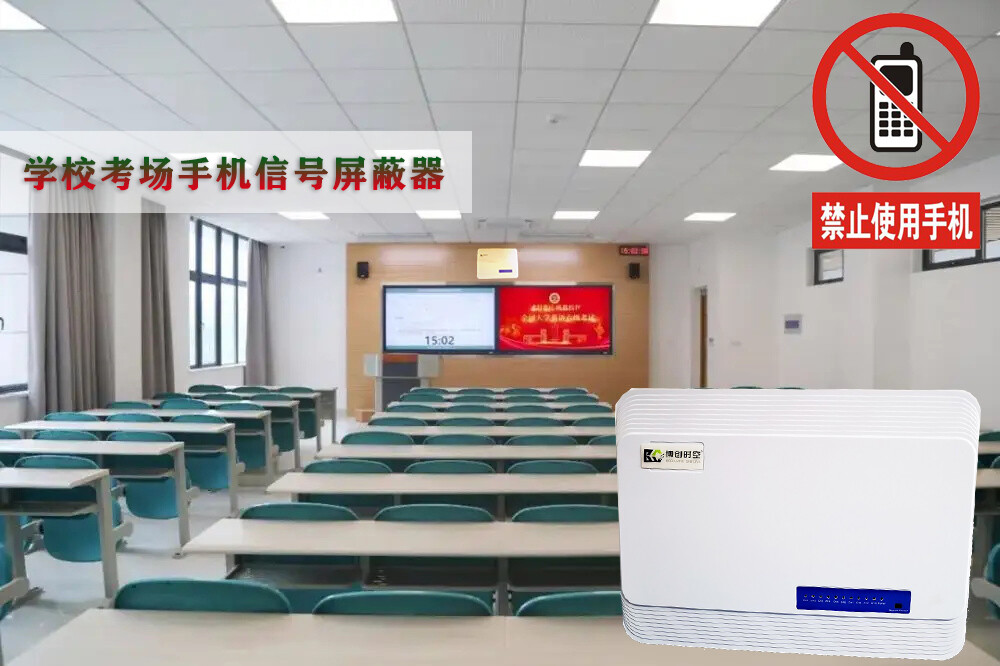
How SmartSignal JammersEliminate Exam Cheating Risks in 2026
The landscape of exam security has changed dramatically. As wireless communication technologies evolve rapidly, traditional methods of maintaining test integrity—physical proctoring, metal detectors, and basic radio frequency scanners—are no longer sufficient to counter the sophisticated cheating devices now available on the market. Educational institutions and government testing agencies worldwide face an urgent need for modernized, technology-driven solutions that can keep pace with these emerging threats.
The Rising Challenge of Wireless Cheating Devices
In recent years, miniature wireless earpieces, smart glasses with embedded displays, and covert body-worn transmitters have become increasingly accessible and affordable. These devices operate across multiple frequency bands simultaneously, making them difficult to detect with conventional screening equipment. A single compromised exam session can undermine the credibility of an entire certification program, erode public trust in educational institutions, and create unfair advantages that persist for years.
The issue goes beyond individual cheaters. Organized cheating rings now use dedicated technical support teams that monitor exam schedules, deploy custom transmission equipment near testing centers, and coordinate real-time answer delivery via encrypted channels. This industrial-scale academic dishonesty requires an equally sophisticated response from security professionals.
How Intelligent Signal Management Systems Work
Omnidirectional vs. Directional Antenna Technology
Modern signal management systems use two main antenna types, each designed for specific scenarios. Omnidirectional antennas broadcast interference signals uniformly in all horizontal directions, creating a spherical coverage zone ideal for open exam halls and large auditoriums. Depending on output power settings and environmental conditions, each unit typically provides an effective coverage radius of 10 to 30 meters.
Directional antennas, by contrast, focus their energy into a narrow beam. This precision enables security teams to protect specific areas—such as individual testing rooms within a larger facility—without disrupting adjacent spaces where normal communications must remain operational. Directional systems are especially valuable in urban environments where examination centers share walls or floors with offices, residential buildings, or emergency service facilities.
Intelligent Channel Selection and Adaptive Power Control
The most advanced signal management platforms go beyond simple broadband jamming. They incorporate real-time spectrum analysis to continuously scan the local RF environment, identify active communication channels, and dynamically adjust interference parameters. This intelligent channel selection offers critical advantages over legacy fixed-frequency systems.
First, adaptive systems consume significantly less power by activating interference only on frequencies actively used within the protected zone. Second, they generate minimal electromagnetic pollution outside the intended coverage area, reducing complaints from neighboring businesses or residents. Third, they instantly respond to frequency-hopping protocols used by newer cheating devices, maintaining protection even against technically sophisticated adversaries.
Multi-band coverage is essential for comprehensive protection. Current-generation systems must support 2G, 3G, 4G LTE, 5G NR, WiFi (2.4 GHz and 5 GHz), Bluetooth, and GPS/GLONASS frequencies simultaneously. Any gap in coverage creates a vulnerability that determined attackers will exploit.
Real-World Deployment Scenarios
Large-Scale National Examination Centers
National standardized testing programs face unique challenges due to their scale and geographic distribution. A typical deployment for a regional testing authority may involve equipping 50 to 200 examination sites, each containing multiple testing rooms of varying sizes. Centralized management platforms enable security coordinators to configure, monitor, and log all signal management devices from a single dashboard, ensuring consistent protection standards across every location.
In one documented case study, a provincial education department deployed 340intelligent signalmanagement units across 85 examination centers during their annual college entrance examination period. The system successfully blocked over 1,200 unauthorized transmission attempts during the three-day testing window, with zero reported incidents of interference to nearby cellular base stations or emergency communication systems.
Professional Certification and Licensing Exams
Professional licensing bodies face added pressure because compromised exams can directly impact public safety. Medical board exams, engineering licensure tests, and financial industry certifications all demand the highest levels of integrity assurance. Signal management systems in these contexts often integrate with existing physical security infrastructure—including access control systems, video surveillance networks, and identity verification platforms—to create a layered defense architecture.
Installation Best Practicess and Non-Interference Design
Coverage Radius Calibration
Proper installation starts with a comprehensive site survey. Security engineers must map the physical layout of each examination room, identify potential signal leakage paths (windows, ventilation ducts, thin walls), and measure baseline RF ambient levels before configuring equipment. Set the coverage radius to extend approximately 2 to 3 meters beyond the outermost testing position, creating a buffer zone that accounts for device sensitivity variations while minimizing unnecessary spillover.
Regulatory Compliance and Community Relations
Responsible deployment requires proactive engagement with telecommunications regulators and local authorities. Professional-grade signal management equipment includes built-in safeguards that prevent interference with licensed public safety frequencies, aviation navigation bands, and medical device operating ranges. Installation teams should maintain detailed documentation of equipment specifications, coverage maps, and operational logs to demonstrate compliance during regulatory audits.
Equally important is transparent communication with neighboring property owners and tenants. Providing advance notice of testing schedules and explaining the limited scope and duration of signal management operations helps prevent misunderstandings and builds community goodwill. Many successful deployments include a dedicated hotline number that neighbors can call if they experience any unexpected communication disruptions.
Securing the Future of Exam Integrity
The arms race between cheating technology and prevention measures shows no signs of slowing down. As 5G networks expand, IoT devices proliferate, and software-defined radio platforms become more accessible, exam security professionals must continuously evaluate and upgrade their defenses. Intelligent signal management systems represent the current state of the art, but they are most effective when integrated into a broader security strategy that includes staff training, procedural controls, and ongoing threat assessment.
If your organization is evaluating signal management solutions for upcoming exam cycles, our RF security specialists can provide customized site assessments, equipment recommendations, and deployment planning tailored to your needs. Contact Bochuang SpaceTime today to schedule a consultation and discover how our professional-grade signal management platforms can help protect the integrity of your most critical assessments.